 雷科技
雷科技























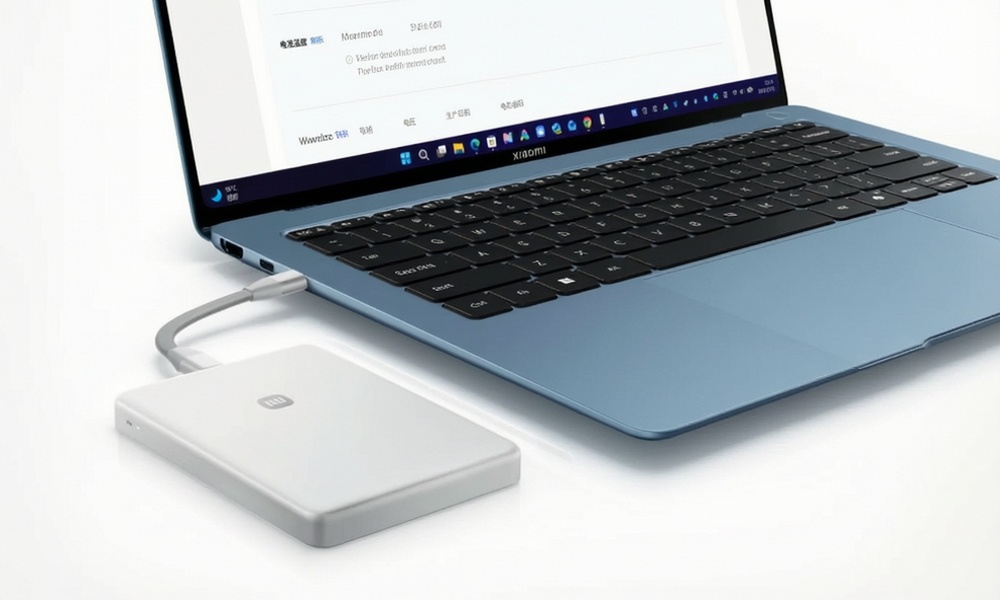

The new national standard for power banks will become mandatory on April 1, 2027. It requires power banks to be equipped with either a screen or a web‑based management backend, enabling users to access internal data such as battery health, cycle count and temperature of their power banks.
There is still a considerable amount of time before the mandatory enforcement date. Even so, certain power‑bank models from major brands including Anker, Baseus and Xiaomi have already complied with the new standard, allowing users to read the operating status of power banks via a local web page.
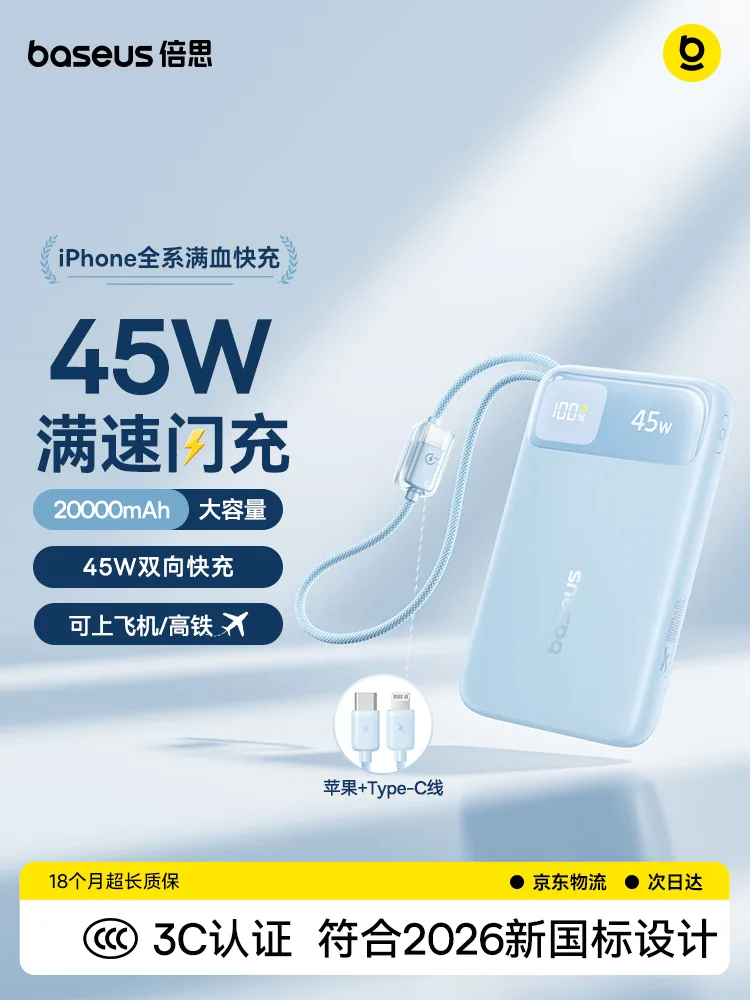
Image source: Baseus
But it did not take long for people to discover that this “backend management website” can do far more than merely check a power bank’s operating status.
Can power banks even be flashed to unlock “hidden features”?
The new national standard mandates that power banks support “storage and reading of abnormal information”, which essentially means they must be able to communicate with external devices. The catch is that the USB communication channel is bidirectional: if data can be read, data can also be written.
So what can be achieved by writing data to a power bank?
For instance, many are aware that the full‑power Qi 2.2 wireless‑charging standard cannot be rolled out in China because it uses radio‑frequency bands restricted domestically. As a result, most wireless‑charging products sold for the Chinese market cannot deliver full Qi 2.2 power output. That said, most well‑known Chinese power‑bank brands run overseas businesses, where their wireless‑charging products are permitted to use full‑speed Qi 2.2.
Obviously, for cost‑control reasons, most brands will not develop separate hardware variants for domestic‑market and overseas‑market low‑cost items such as power banks. This means many wireless power banks released in both Chinese and international editions actually support Qi 2.2 at the hardware level: coils, magnetic‑alignment modules and control chips are all soldered on‑board — the feature is simply disabled by factory firmware.
In other words, if you can flash new‑standard power‑bank firmware or activate “engineering mode” via the management web page, your China‑market power bank may well be able to force‑enable Qi 2.2. In fact, certain Xiaomi wireless power banks can indeed “force‑unlock Qi 2.2 functionality” through the web‑based backend to hit the full 25 W wireless fast‑charging speed.
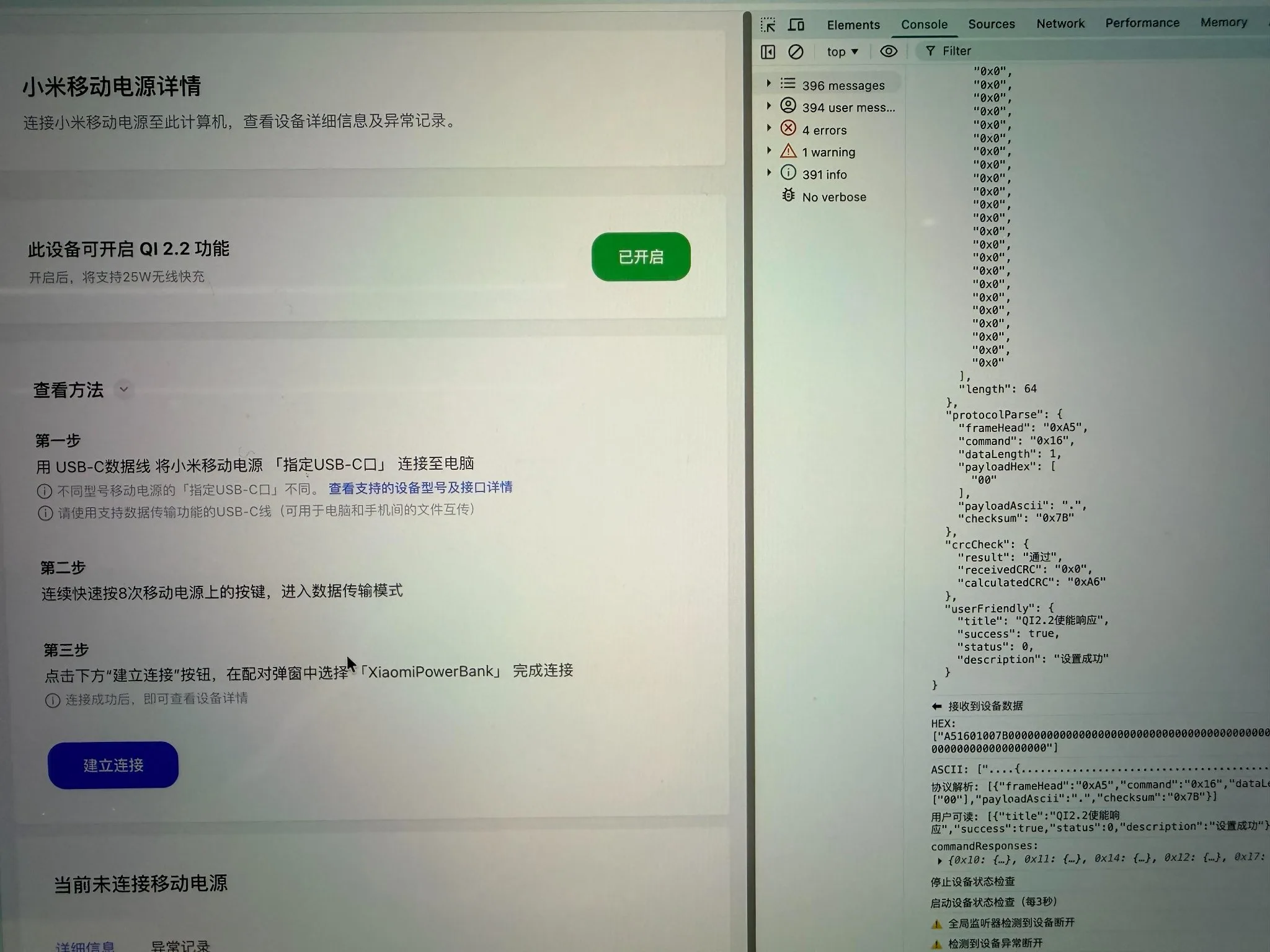
Image source: X
Of course, Xiaomi quickly patched this loophole that allowed users to flash “hidden features” on power banks. For compliance reasons, Lei Technology also advises against forcibly enabling Qi 2.2 on these power banks within China. After all, power banks are unlike other electronic devices, and 25 W wireless fast‑charging carries significant overheating risks. Coupled with the potential risk of voided warranty coverage, Lei Technology recommends using power banks strictly in accordance with official specifications.
That said, drawing on Xiao Lei’s years of experience with digital gadgets, activating hardware “hidden features” via a management web page is hardly surprising.
Firmware‑flashing of smart hardware is virtually unregulable
Router manufacturers have dealt with firmware flashing for many years.
The third‑party router firmware OpenWrt now supports more than 1,875 devices, and countless custom firmware builds are derived from its kernel. DD‑WRT has an even longer history and broader device compatibility. The flashing process is largely similar: access the router’s admin panel, locate the firmware‑update page, upload the third‑party firmware package, and wait a few minutes for the reboot.
Compared with wireless power banks, however, routers running custom firmware can do far more: enabling VLANs, setting up proxies, implementing link aggregation, and even adjusting TX power are all within reach. Adjusting TX power runs afoul of regulatory red lines nearly identical to those surrounding Qi 2.2 on power banks.
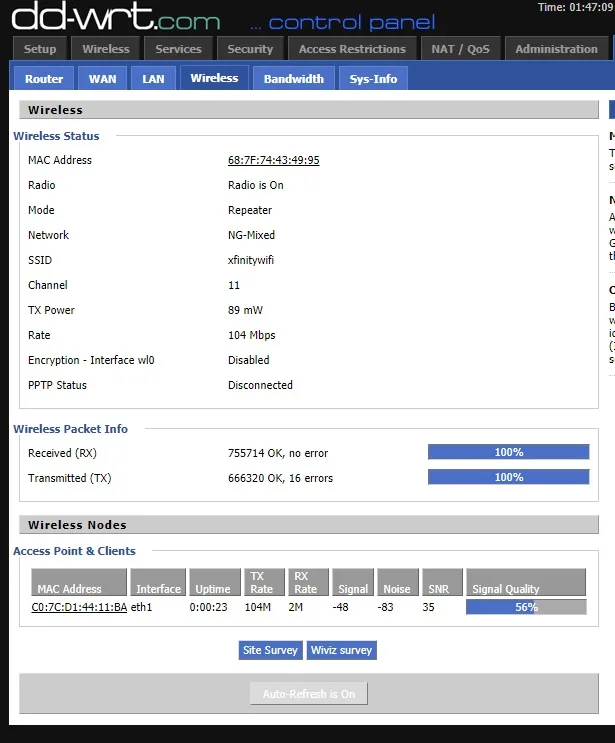
Image source: dd-wrt.com
What is even more interesting is the stance taken by brands: some brands hold a highly ambiguous attitude toward third‑party firmware. Xiao Lei once attended the launch event for a flagship router from an overseas brand, where the organizer even invited developers from third‑party router communities onto the stage to talk about how friendly the brand’s router “development environment” was.
For this reason, in Lei Technology’s view, despite the unique nature of power banks, there is no need for a one‑size‑fits‑all policy on firmware. It is true that a bad firmware flash on a power bank may cause BMS malfunction and bring potential thermal‑runaway risks. Yet many modern power banks already support PPS at the hardware level. Reasonable firmware updates or charging‑protocol upgrades can enable the same power bank to work with fast‑charging standards from different brands, making the device more practical.
That said, blocking firmware flashing on power banks essentially reflects a long‑standing conflict between manufacturers and users over device ownership.
Power banks being hacked via web pages, and users racing against official countermeasures to unlock the bootloader on smartphones … At the end of the day, these are all cases where manufacturers lock hardware capabilities through firmware, while users find ways to unlock them. In the past, power banks lacked such access channels, so flashing was not even possible. The new national standard has simply opened a window for users. From a regulatory perspective, the new power‑bank standard could be regarded as a case of good intentions leading to unintended consequences.
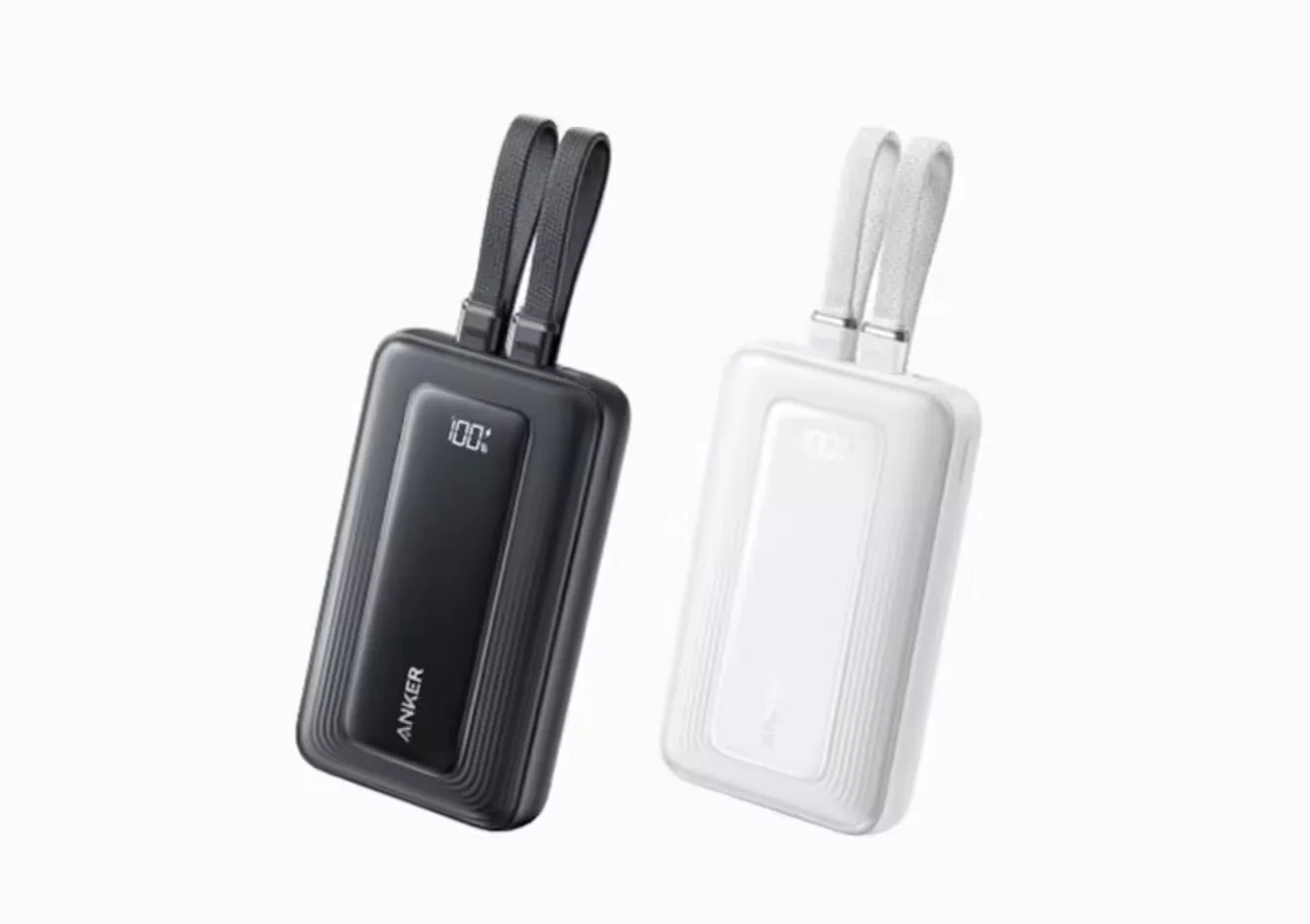
Image source: Anker
However, Lei Technology believes the conflict between users and manufacturers can be resolved in an entirely different way. Admittedly, some features are locked for compliance purposes — enabling Qi 2.2 within China, for instance, would constitute an illegal act. Other locked features, however, stem purely from commercial decisions. What manufacturers ought to do is treat these two categories of locks separately:
For uncertified, non‑compliant features, manufacturers should either enforce hardware‑level locks or adopt fuse‑based protection, while making it clear that they bear no liability if firmware is flashed. As for features that are hardware‑capable yet disabled due to pricing strategies, brands should simply lower product prices. If firmware locks are merely used to cripple hardware capabilities and push users toward more expensive models, users will inevitably find ways to “pick the lock”.
How can Chinese brands move forward with Qi 2.2 disabled?
Naturally, brands have an alternative solution: deliver a wireless‑charging standard superior to Qi 2.2, so users have no need for Qi 2.2 in the first place.
In terms of technical expertise, Chinese brands have long held a leading position in wireless charging. Instead of continuing to follow international standards, they can leverage existing technical know‑how to advance wireless‑charging standards better suited to market demands. Subject to relevant regulations, phone brands can no longer compete by pushing the upper limits of wireless‑charging power output.
Given this reality, it would make sense for different phone brands to join forces and build a non‑proprietary wireless‑charging ecosystem. Beyond high‑power fast charging, they can focus on improving the overall user experience of wireless charging.
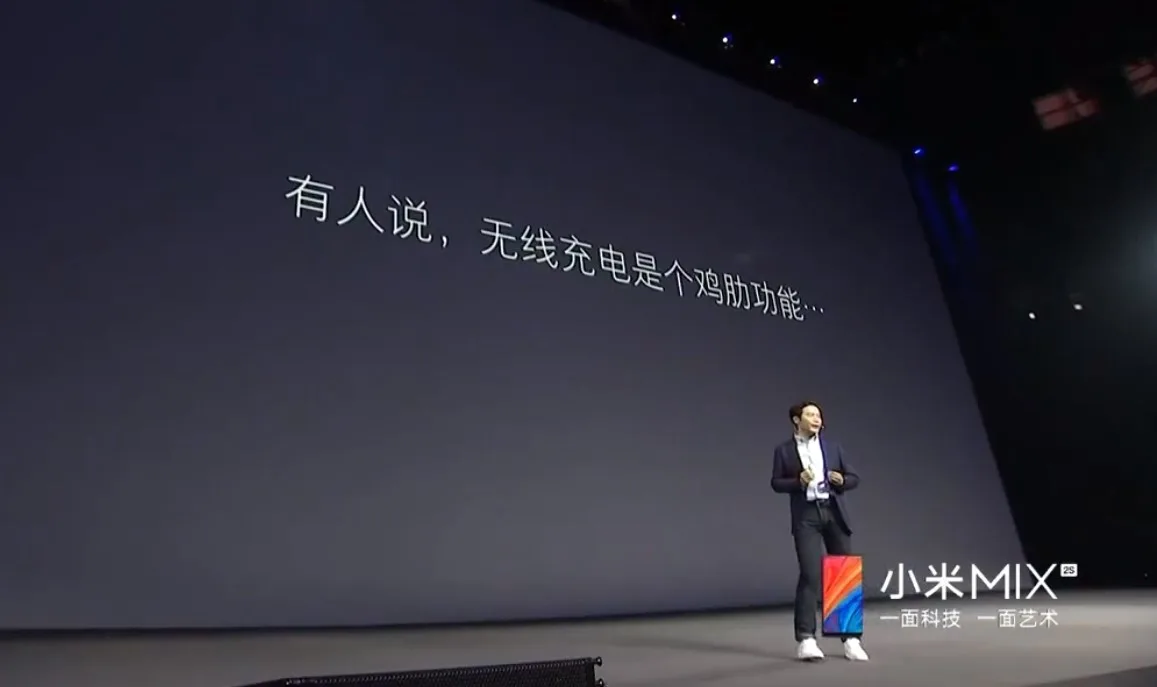
Image source: Xiaomi
From the perspective of the industrial chain, Chinese manufacturers have long possessed the capability to build their own wireless‑charging standards. Given the wide application of wireless‑charging technology in smart home, IoT and other devices, establishing a wireless‑charging alliance system centered on Chinese brands can also drive technological progress in related sectors such as smart homes and form a closed‑loop technology ecosystem.
Of course, exploring home‑grown Chinese wireless‑charging standards can also elevate the status of Chinese brands in the global tech market. As key contributors to 5G standards, Chinese brands have built up sufficient clout in mobile communications. In the field of wireless charging, they likewise stand a chance to offer new solutions for the future of the global wireless‑charging industry by developing their own standard systems.
What is more, the roll‑out of the Qi 2.2 standard in overseas smartphone markets has been far from smooth. Most phone brands only offer passive support for the Qi 2.2 charging specification. As for the built‑in magnets required by Qi 2.2, the vast majority of brands have not even considered implementing them. This limited implementation of Qi 2.2 not only lays bare the shortcomings of the existing wireless‑charging framework, but also suggests that Chinese brands do not need to be confined to the Qi 2.2 standard.
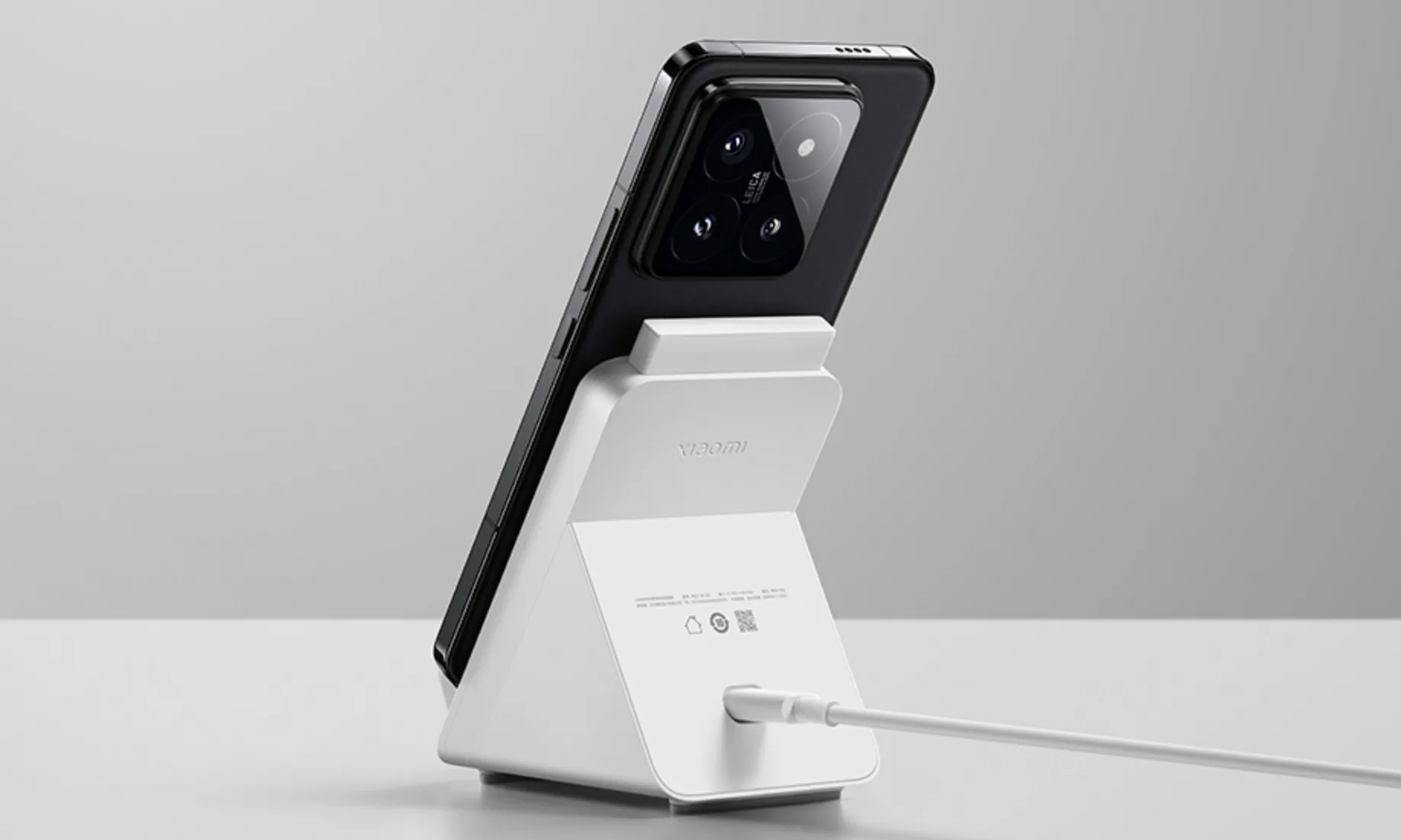
Image source: Xiaomi
LeiTech has always held the view that instead of passively supporting Qi 2.2, domestic Chinese phone brands would be better off striking out on their own and building an independent wireless‑charging technology system. From user demands to industrial ecosystem, Chinese manufacturers have every potential to become leaders in wireless‑charging technology and steer the industry toward greater efficiency and practicality.
To be sure, the fate of Qi 2.2 is sealed, yet the future of wireless charging will by no means end here. Rather than figuring out how to unlock overseas‑exclusive features on power banks, we should leave innovation to Chinese manufacturers, so that users across the globe can gain access to 50 W wireless fast charging. When that day comes, who will still care whether to buy a domestic‑market or an overseas‑edition power bank?