
 雷科技
雷科技





















The annual new‑phone wave is around the corner. Beyond these new devices, major overhauls of mobile operating systems rolled out by manufacturers are also well worth looking forward to. After all, not every user will buy a new phone, yet the new systems are genuinely available free of charge.
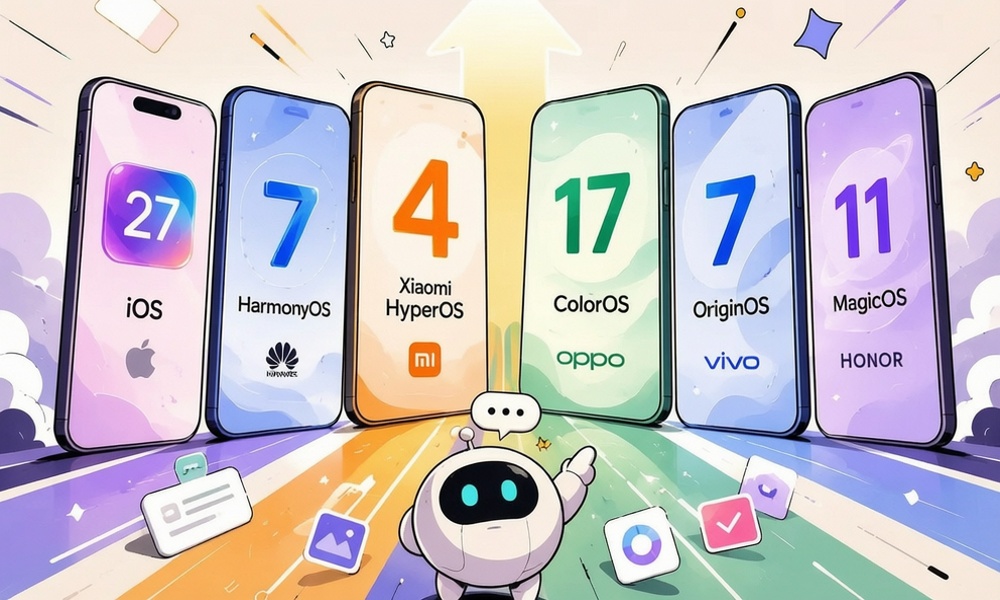
This year’s set of “perks” seems particularly substantial. According to leaks, six major releases — Apple’s iOS 27, Huawei’s HarmonyOS 7, Xiaomi’s HyperOS 4, OPPO’s ColorOS 17, vivo’s OriginOS 7 and Honor’s MagicOS 11 — are all set to launch in this period.
However, after closely reviewing leaks for these operating systems, Leitech (ID: leitech) has noticed their “evolution” heads in remarkably similar directions. One might even wonder whether these manufacturers have been coordinating behind closed doors. Below, Xiao Lei breaks down the changes coming to these six systems and highlights the features you may care about most.
Six Major Mobile OS Upgrades: What’s New for Each?
1.Apple iOS 27: Standalone Siri with Third‑party AI Integration
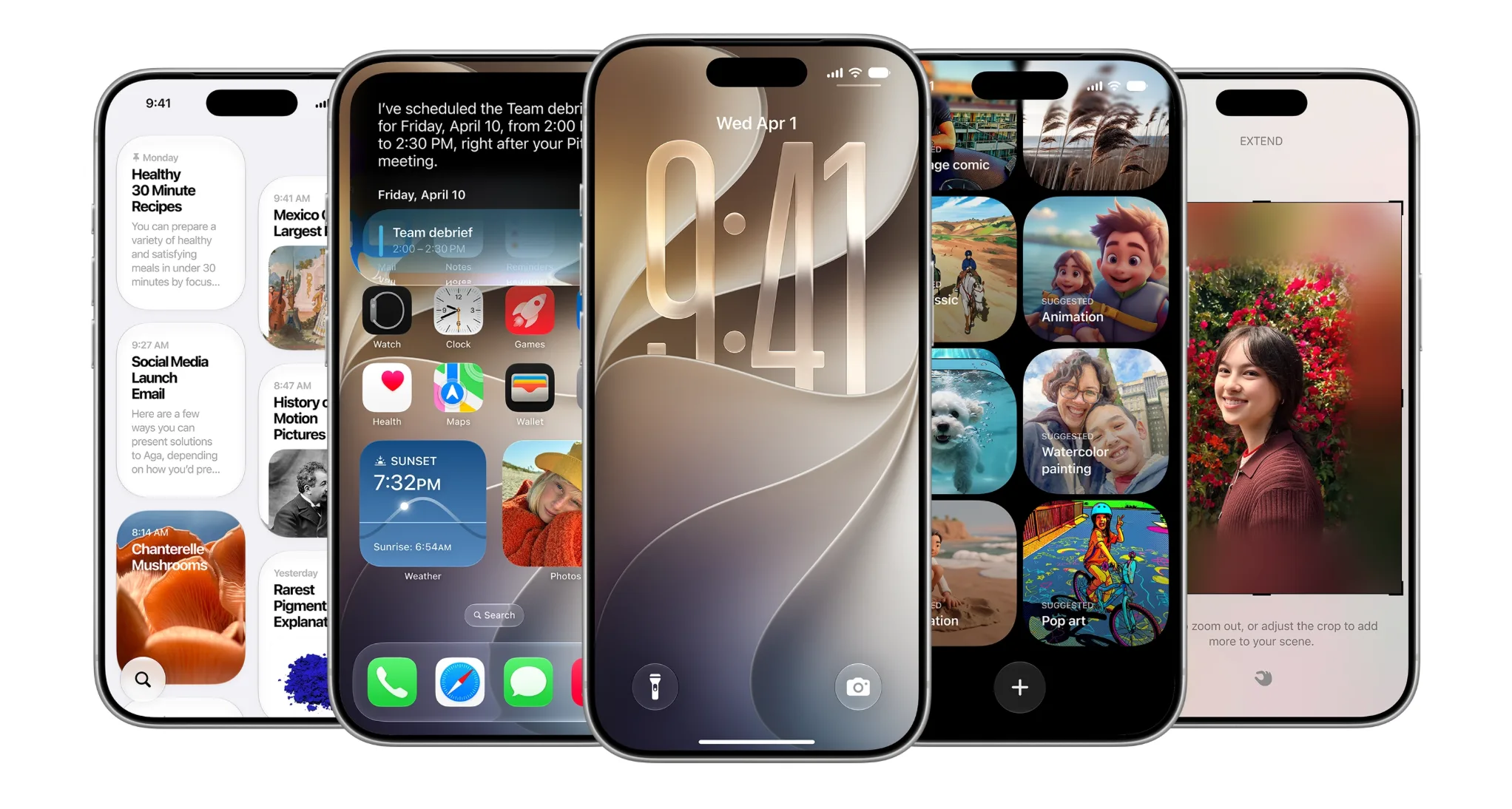
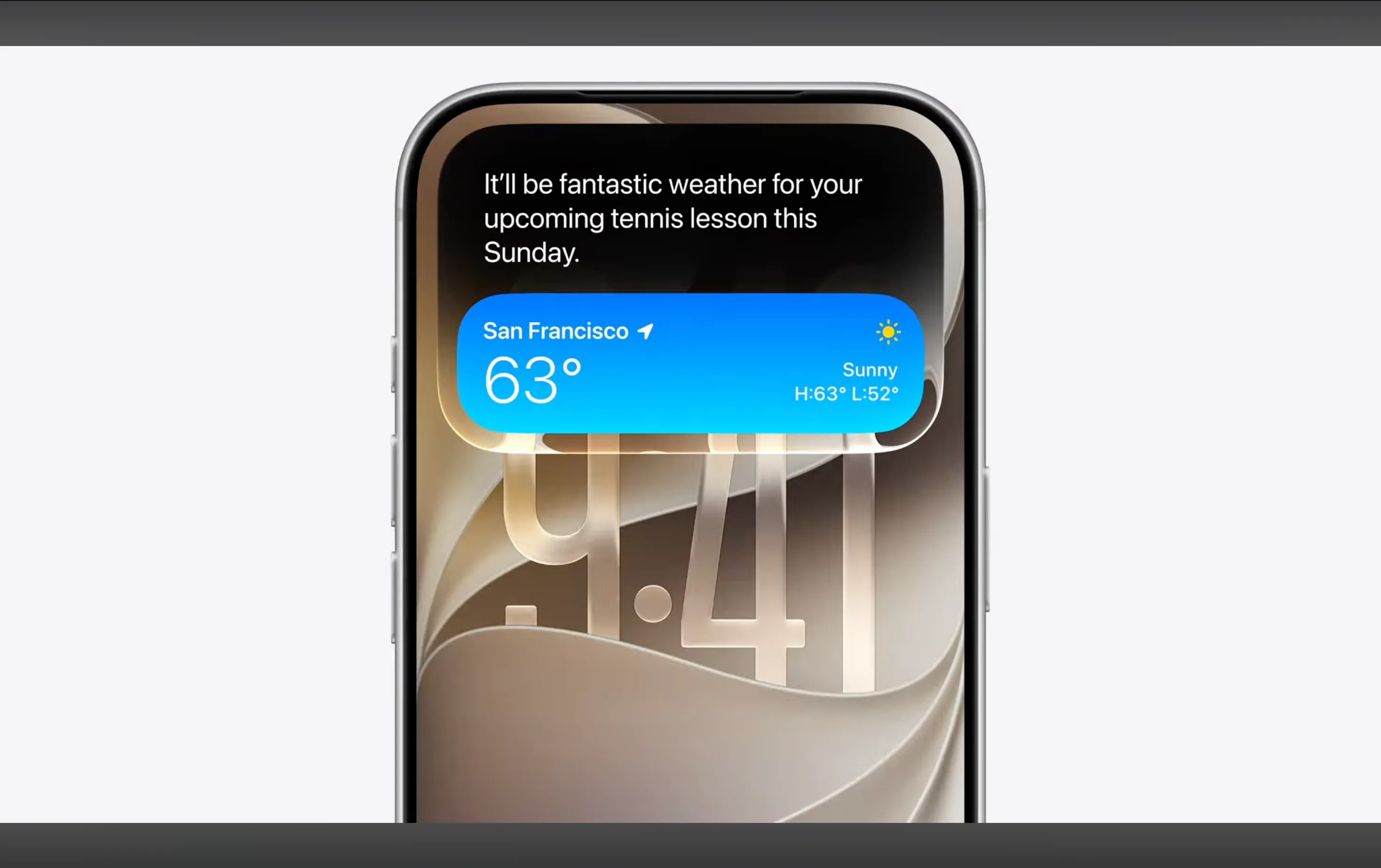
Kicking off with the most‑anticipated iOS 27. Apple released its developer preview back in June, which Leitech got hands‑on with right away. You can look up our coverage if you are interested. Its biggest change is turning Siri into a standalone app, with an interface directly comparable to ChatGPT. It supports conversation history, file uploads and multi‑turn follow‑up questions, plus deep integration with the Dynamic Island.
More notably, aware of limitations in its in‑house model, Apple has partnered with Google to bring Gemini onboard. This means when you ask Siri complex questions, Gemini rather than Apple’s own model may power the response. Apple’s long‑held “full‑stack in‑house development” stance has given way in the face of AI. It has even introduced an Extensions framework, letting users set third‑party AIs such as Claude and Gemini as the default assistant at the system level.
(Photography Credit: Apple)
Unfortunately, these features are currently unavailable for users in mainland China, and it remains unclear when we will get to enjoy these AI‑powered capabilities.
Beyond Siri, iOS 27 brings several minor tweaks: full customizable layout for the Camera app; system‑wide search now triggered by swiping down from the top of the screen; adjustable transparency for Liquid Glass, and more. Additionally, iOS 27 includes optimizations for older iPhones equipped with A13 to A15 chips. According to Apple, older devices will run more smoothly after the update. That said, based on real‑world experience, Xiao Lei still advises users of aging iPhones to think twice before upgrading.
2.Huawei HarmonyOS 7: Maximized Interconnectivity and AI
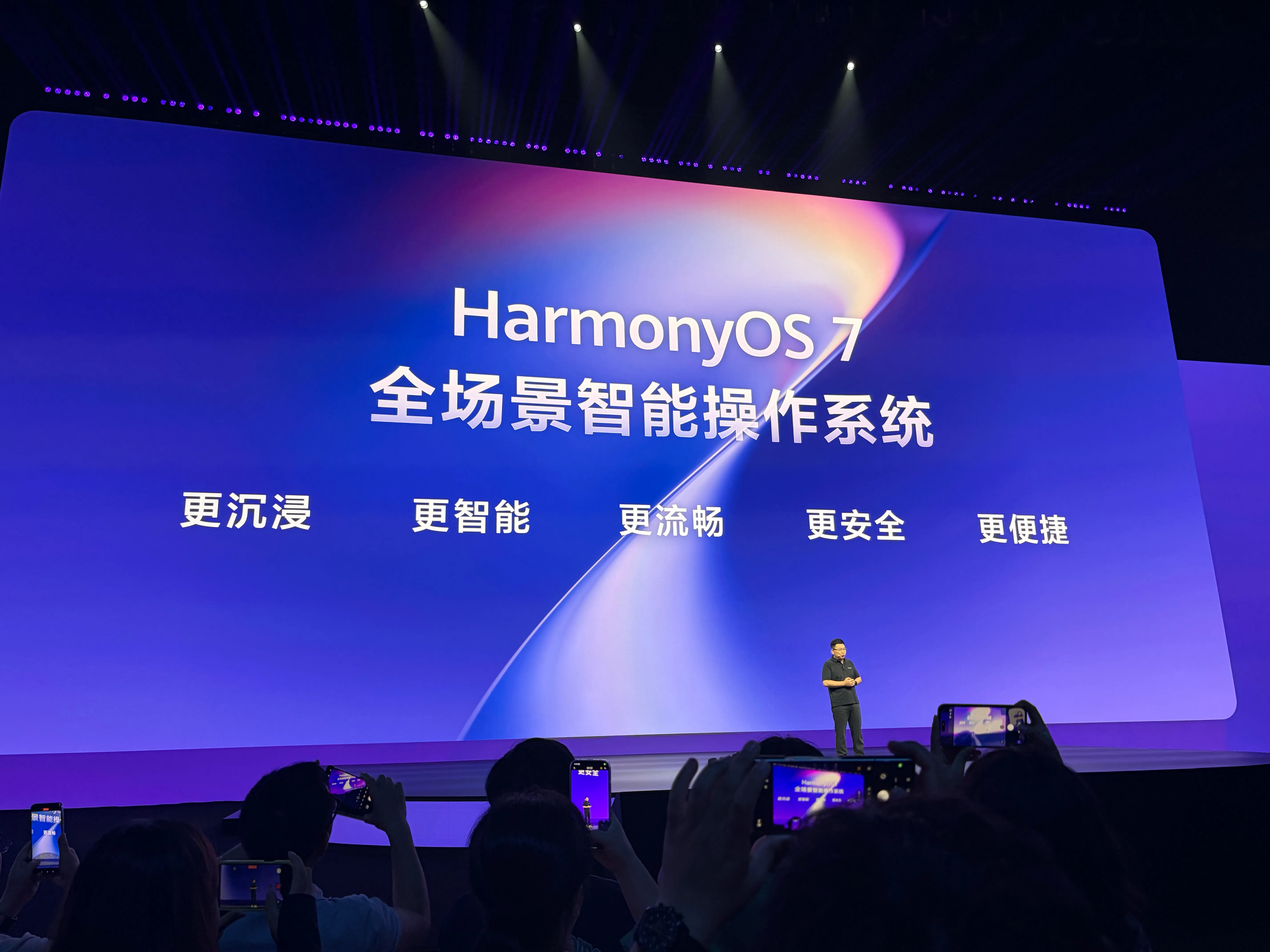
Unlike Apple, HarmonyOS 7 focuses on two major areas of improvement. First is AI. Xiaoyi has been upgraded into a system‑level Agent. It can access over 2,100 system capabilities, more than 500 partner‑built skills and over 2,000 HarmonyOS agents. It boasts 180 million daily active users and 3 billion daily wake‑ups. If you say, “Send the physics‑experiment‑related documents from my PC to my phone”, it will remotely locate, filter and transfer the files automatically — even when the PC is closed and in standby mode. On security, HarmonyStarShield has partnered with Alipay, delivering a 35.8 % improvement in anti‑fraud performance and a 42.3 % boost in anti‑theft protection.
(Photography Credit: LeiTech On-Site Production)
Second is interconnectivity. The distributed soft bus has received further speed‑ups. According to official figures, the number of supported connections has tripled, and transfer speeds have reached 1.2 Gbps, enabling near‑instant 4K‑video transfers from phone to PC. A new “Intimate Circle” feature lets family and friends share service cards with one another. Simply tap your phone against a designated spot on a tablet, and files land directly in the target area. HarmonyOS is also expanding into the PC space: when unfolded, its triple‑fold device can function as a compact laptop.
All these capabilities, however, exist within HarmonyOS’s closed‑loop ecosystem. Users outside the full Huawei product lineup will struggle to experience the full power of HarmonyOS 7.
3.Xiaomi HyperOS 4.0: A Ground‑Up Overhaul with Built‑in AI Subscription
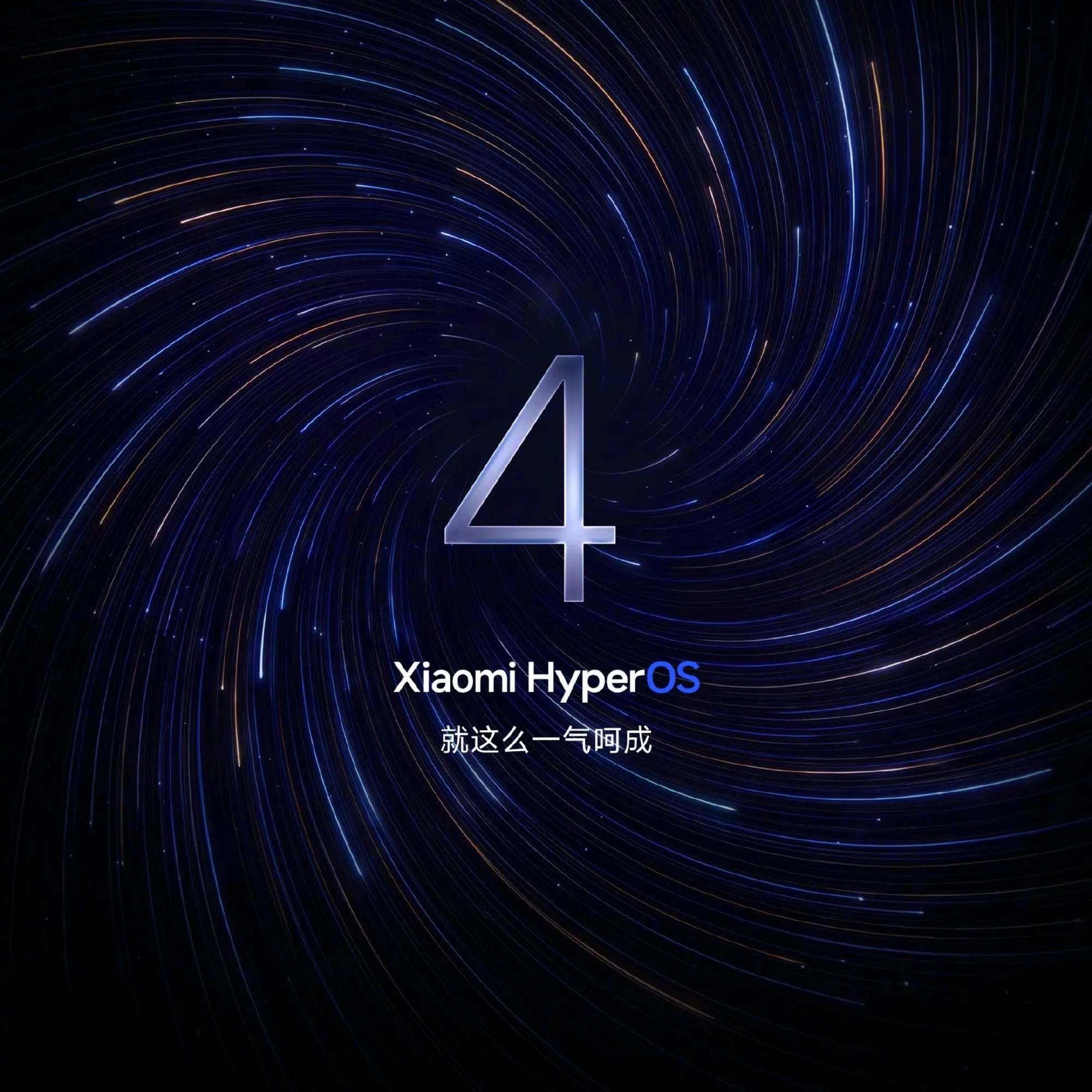
Compared with the two systems above, Xiaomi HyperOS 4.0 brings sweeping changes. First, it discards more than a decade of accumulated legacy code carried over from the MIUI era, with all core modules rewritten from scratch. Official claims cite around a 40 % boost in system fluidity, a 35 % higher background app retention rate, a 30 % reduction in idle memory usage, and installation packages shrunk by 30 %. Xiao Lei tested the internal beta build for some time and did notice tangible improvements in system smoothness and heat generation.
(Photography Credit: Xiaomi)
On the AI front, Super Xiao‑Ai has been upgraded to version 2.0, powered by Xiaomi’s self‑developed MiMo large model, with two operating modes: Fast Mode and Expert Mode. Fast Mode is free of charge, while Expert Mode enables deep reasoning, PPT generation and cross‑device task execution. Users receive 1,000 bonus points per month. A simple conversation consumes 12‑20 points, and heavy‑duty users can opt for a paid subscription priced between 19 and 99 yuan per month.
In terms of interaction, HyperOS 4.0 introduces an “Inspiration Orb”, which lets Super Xiao‑Ai focus on whatever you point to. There is also “Three‑Finger‑Swipe‑Up Memory”: tap once to bring food pickup codes, courier tracking codes and queue‑waiting codes onto the floating island, and more.
4.OPPO ColorOS 17: Focusing on Universal Upgrades and On‑Device AI
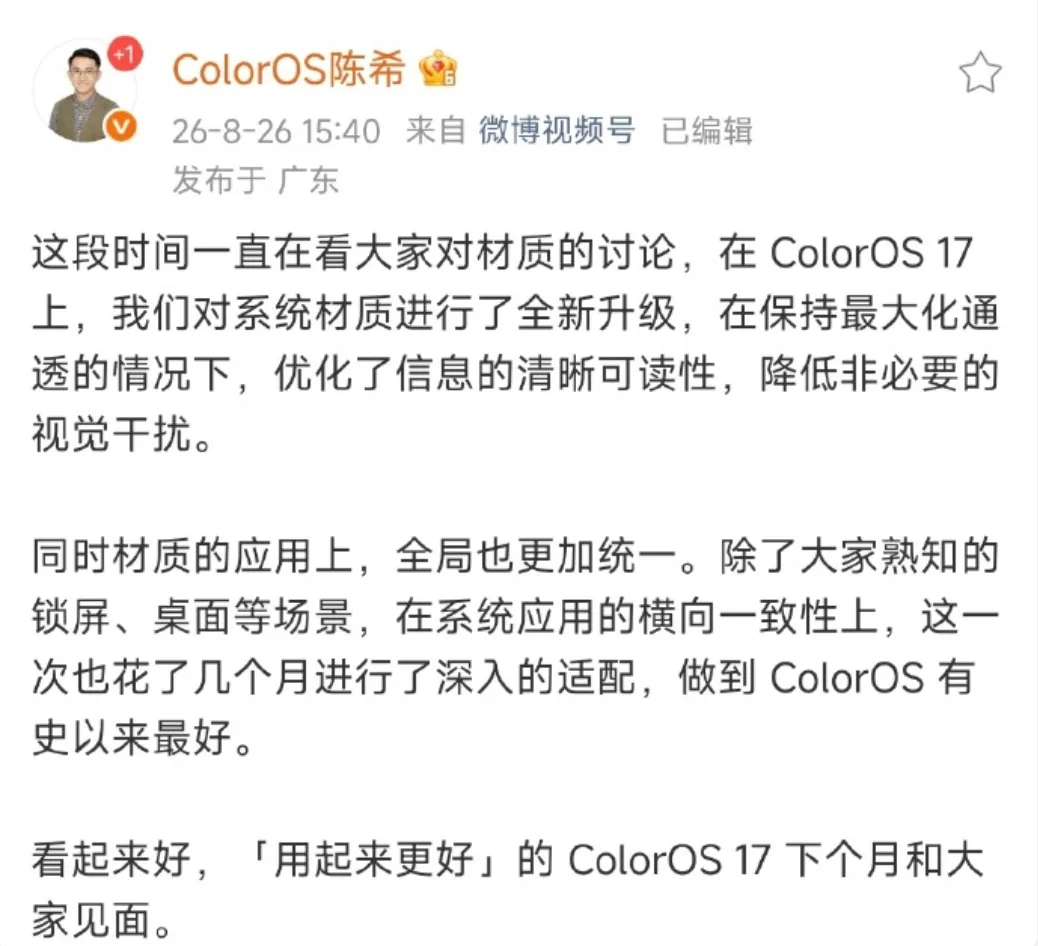
The most notable change of ColorOS 17 lies in its broad device coverage. According to official statements, 130 models across OPPO, OnePlus and realme are eligible for the update, including entry‑level thousand‑yuan phones and older flagship devices. Its newly‑launched Super‑Computing Platform 2.0 refines computing‑power scheduling down to the instruction level, delivering a claimed 40 % improvement in app launch speed.
(Photography Credit: @ColorOS Chen Xi)
For AI, it adopts an on‑device approach. Breeno Next is deeply integrated into the system. Functions such as document summarization and intelligent matting no longer require internet access and work offline. Visually, it brings “Condensed‑Light Animations” and “Light‑Sensing Strokes”, with icons automatically adjusting highlights and shadows to match wallpaper tones.
5.vivo OriginOS 7: Pushing Smoothness and Local AI to the Extreme
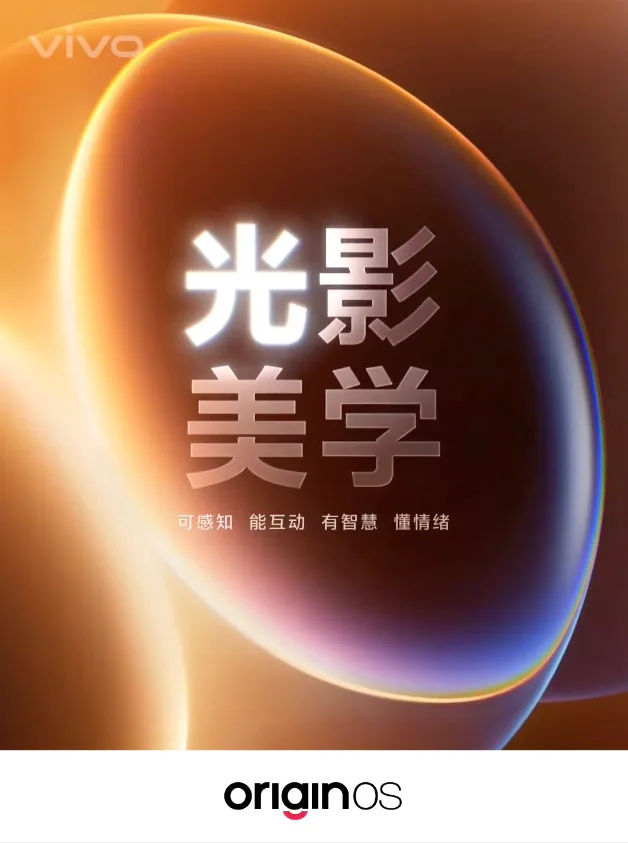
The core upgrade of OriginOS 7 lies in the BlueRiver 2.0 engine. In short, it adds behavior prediction: the system learns your app‑usage habits and pre‑loads frequently‑used applications in advance to achieve “zero‑wait cold launch”, specifically targeting Android’s long‑standing problem of slowing down over time. Paired with Energy‑Efficiency AI 3.0 for power management, it balances stable gaming performance and everyday battery‑saving.
(Photography Credit: vivo)
On the AI front, it introduces “Xiao V Agent 3.0”. Powered by the local computing capability of the BlueHeart large model, it works even without internet access. It supports multi‑turn conversations and cross‑app automated tasks — for instance, automatically enabling Do Not Disturb before meetings, and extracting meeting notes to send to work groups afterwards. The home screen gets a major revamp: Atomic Components support floating layering and stepless adjustment, allowing up to six additional widgets on one home screen.
6.Honor Agentic OS: Betting Big on Agents, with Liquid Glass Effects
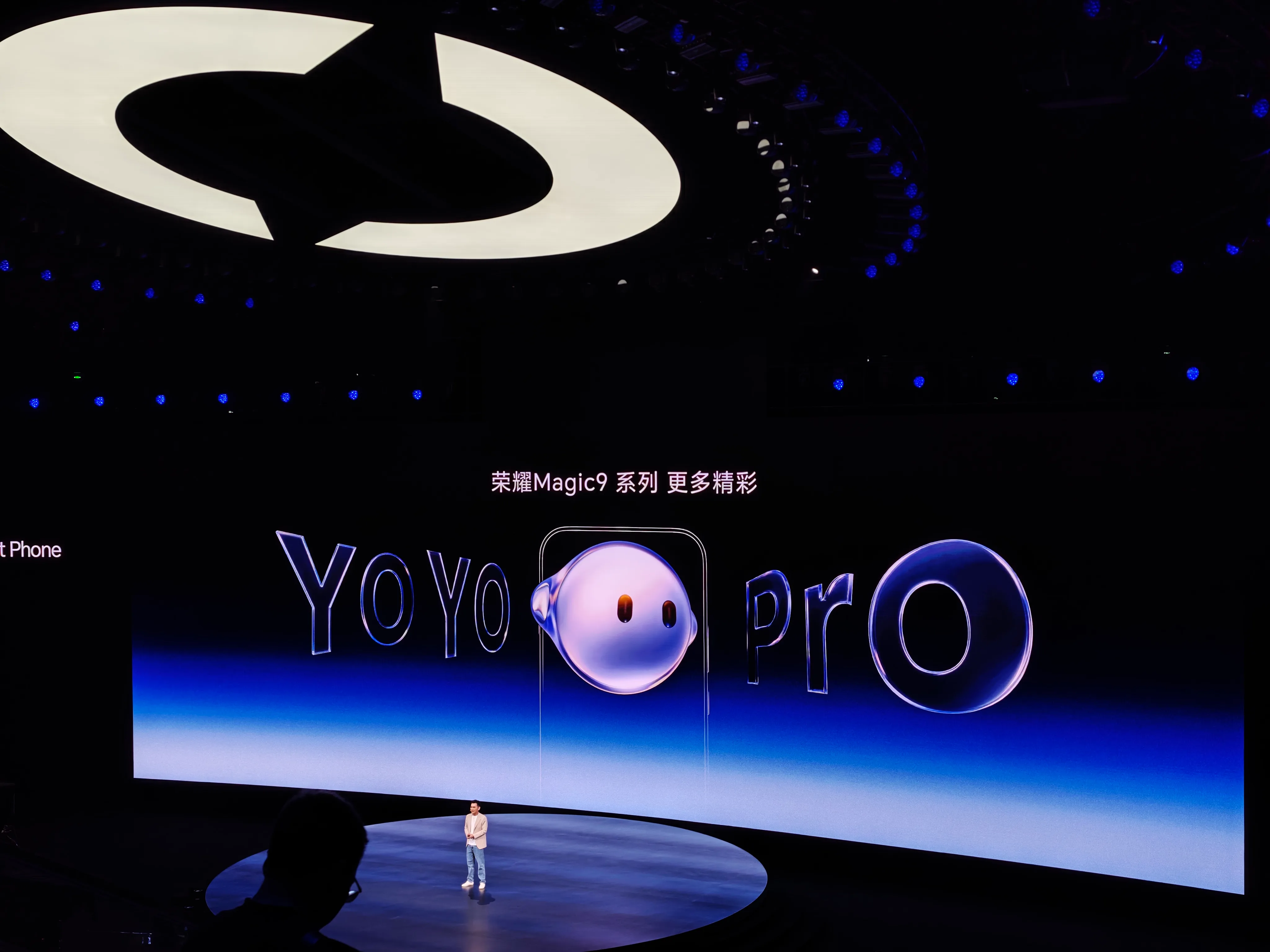
Among all these manufacturers, Honor has made the loudest noise. As early as the previous WAIC conference, Honor officially announced that MagicOS 11 would be upgraded to Agentic OS. The YOYO voice assistant on its phones evolves into a pro‑active agent capable of anticipating user needs. It can pro‑actively book flights, turn on air‑conditioners in advance, and adjust screen brightness. The underlying logic shifts “you giving commands to your phone” to “your phone getting things done for you”.
(Photography Credit: LeiTech Production)
Visually, it is Android’s first mobile operating system to adopt the “Dynamic Liquid Glass” design language. Glass‑like textures run across the lock screen, home screen and icons, with steplessly adjustable light‑and‑shadow transparency. Many regard it as the best‑looking Android UI of the year. Honor’s earlier “Robot Phone”, equipped with a hidden mechanical‑arm gimbal, represents an attempt to bring embodied intelligence to smartphones.
Beyond that, manufacturers have rolled out substantial visual overhauls for their new systems. vivo’s “Natural Fluid”, Honor’s “Dynamic Liquid Glass”, OPPO’s “Condensed‑Light Animations” and “Light‑Sensing Strokes”, and Xiaomi’s “Soft‑Light Glass” — all essentially draw inspiration from iOS’s frosted‑glass and fluid aesthetic. Icons automatically tweak highlights and shadows to match wallpaper color tones. Edge lighting shifts along with your finger during swipes, and transitions from lock screen to home screen mimic real‑world glass.
To be frank, these animations are undeniably polished, delivering a satisfying tactile feel when you swipe around. Still, they are a bonus, not a necessity. Hand a phone to an average user for a week, and they will most likely fail to tell the difference between “Natural Fluid” and “Liquid Glass”. Visual flair works great as an extra enhancement, yet treating it as a core selling point is putting the cart before the horse.
After reviewing these six systems, Xiao Lei notices they are largely pursuing similar goals, all heavily leaning into AI concepts. Their paths diverge, however: Apple and Huawei go for “cloud‑plus‑ecosystem”, Xiaomi, OPPO and vivo prioritize “on‑device local AI”, while Honor bets on “proactive agents”.
Is AI‑powered mobile OS nothing more than a false concept?
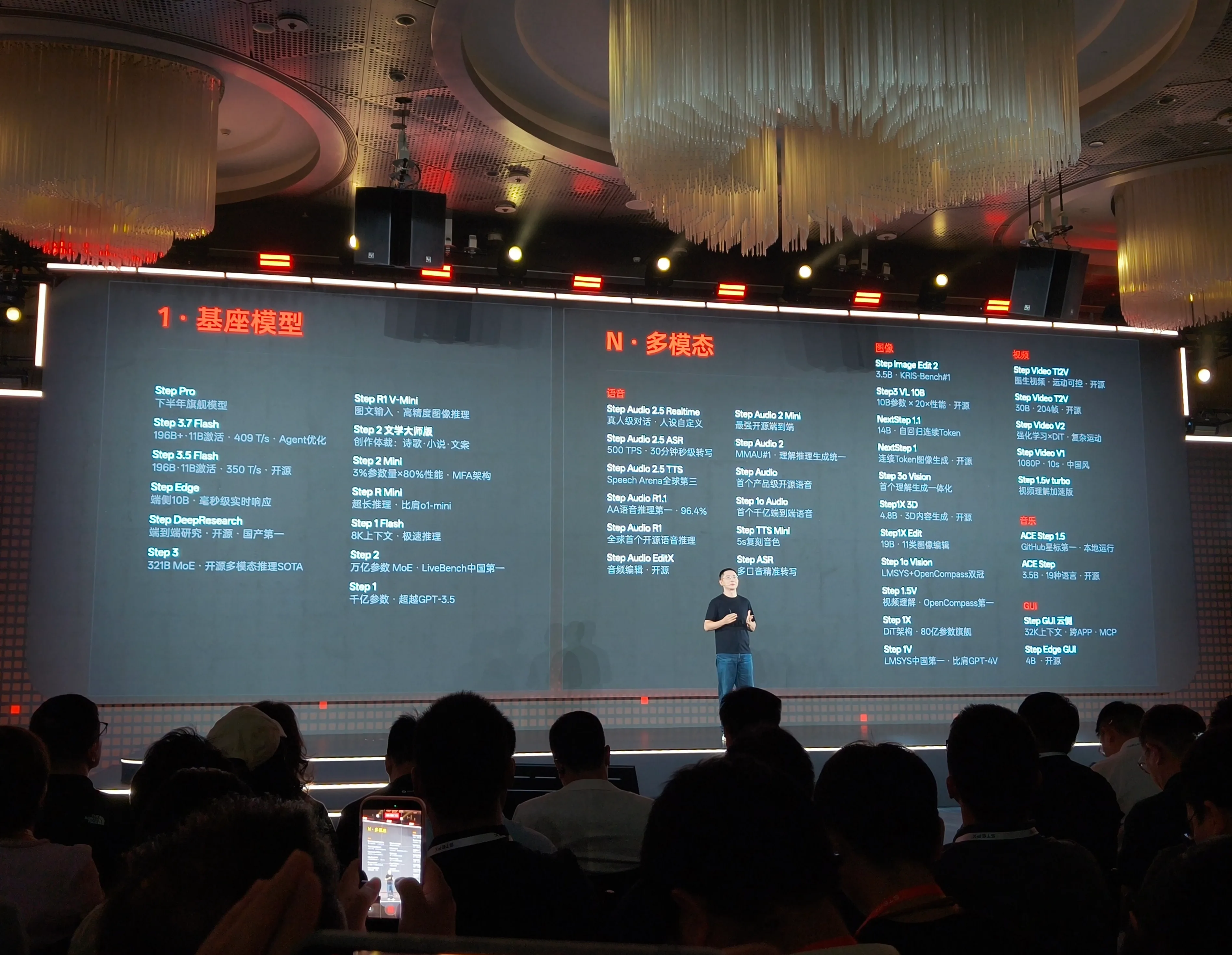
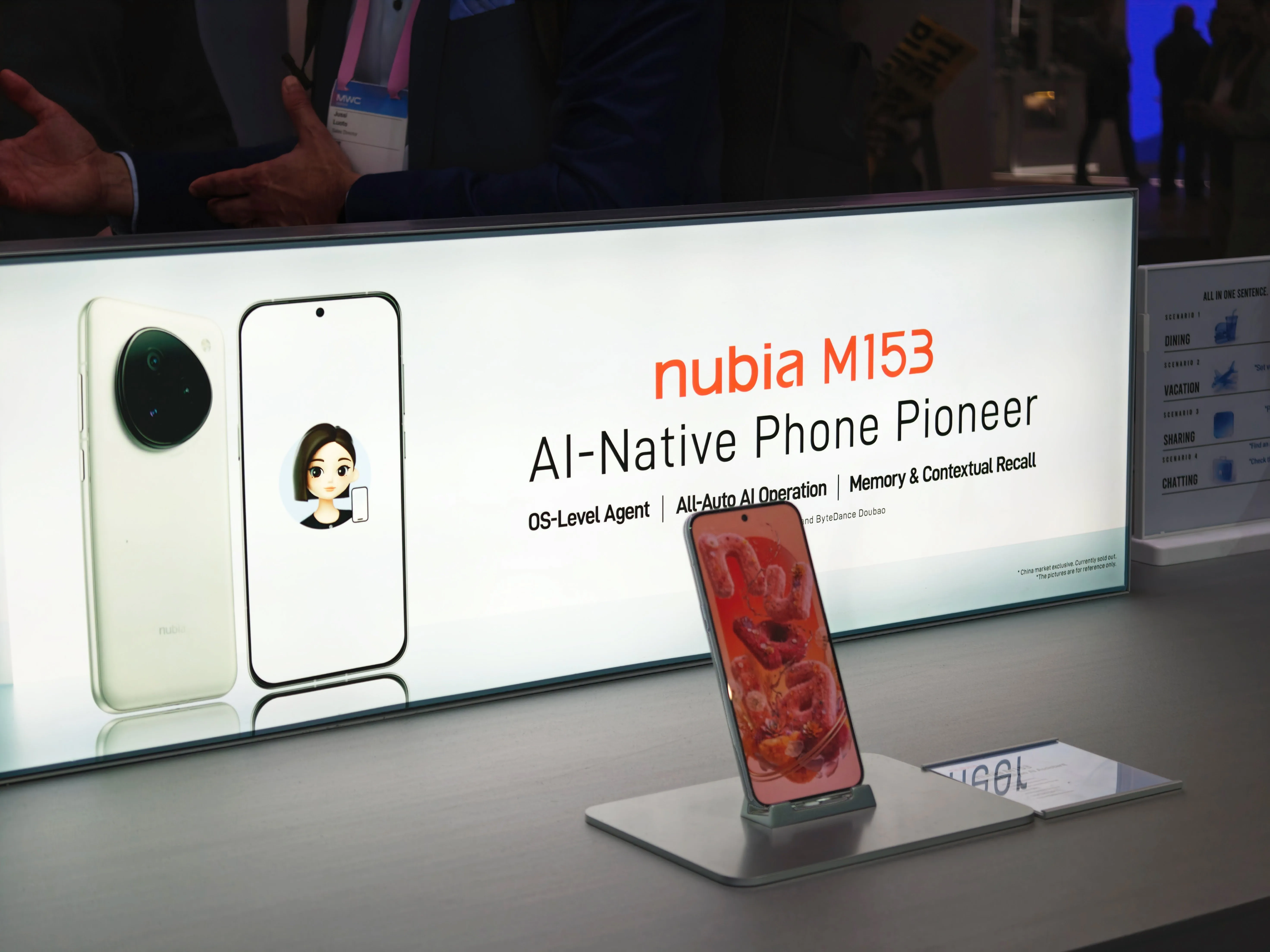
This year, brands have trotted out a wide range of buzzwords. Honor coins Agentic OS; Huawei proclaims “marching toward the Agent era”; StepStellar has unveiled Step AOS, billed as “the world’s first‑agent‑native operating system”; Nubia has partnered with Doubao to launch the “first‑ever agent‑powered smartphone”. Despite different naming conventions, they share the same underlying logic: AI is no longer treated as a plug‑in, but tasked with restructuring the operating system from the ground up.
This raises a fundamental question: are these so‑called AI OSes a genuine technological direction, or merely marketing‑driven hype?
(Photography Credit: Apple)
Xiao Lei’s take is: this is not a false concept, yet there is still quite some way to go before it delivers the performance promised in marketing.
The reason it is no hollow buzzword lies in the genuine engineering effort behind it. Traditional mobile operating systems are entirely built around manual user taps. They allocate computing power, manage background apps and configure permissions in response to user input — processing one action every time the user taps the screen. Agent‑driven tasks work differently. They may run continuously for hours and need to pull data from over a dozen apps in sequence.
That is why StepStellar’s Step AOS is purpose‑built to orchestrate chip‑level computing resources. It breaks thousands of system functions into freely composable building blocks and introduces a “semantic data layer”, which consolidates user preferences scattered across different apps into accessible, retrievable “memory”.
(Photography Credit: LeiTech Production)
As for why it still falls short of being genuinely “usable”, three unresolved issues stand in the way.Security comes first. An agent capable of deleting your photos, reading your data and placing orders in shopping platforms poses growing risks of overstepping boundaries as it is granted more permissions. Take Lobster, the wildly‑popular agent that went viral after this year’s Spring Festival: it has caused accidental data deletion and unauthorized financial charges. Conversely, if it keeps prompting you for payment confirmation every single time you ask it to make a purchase, what is the point compared to paying manually?
Ecosystem compatibility forms the second major hurdle. Agents need to pull relevant data from super‑apps such as WeChat, Taobao and Alipay. Yet major tech firms remain wary of one another and refuse to open their interfaces. This could well end up in disarray, much like the fragmented charging‑standard alliance.Lastly there is the user‑habit barrier. Shifting users from “doing things manually” to “telling AI to get things done” cannot be accomplished within merely one or two years. Most people cannot even be bothered to use voice assistants to this day. It is unrealistic to expect them to hand critical tasks such as booking flights over to an invisible agent overnight.
Therefore, Xiao Lei’s conclusion is this: the AI OS represents an ongoing direction‑setting contest whose outcome remains uncertain, rather than a selling point ready for immediate real‑world payoff.
(Photography Credit: LeiTech Production)
That said, one thing is certain: over the next few years, the mobile‑phone industry will shift its focus toward AI‑powered operating systems. After all, hardware innovations have largely run their course. There are fewer and fewer selling points left to boast about for displays, chips and camera systems. Hence, whichever brand delivers reliable, glitch‑free “phone‑does‑things‑for‑you” experiences will seize the initiative in the next round of competition. That explains why even model‑focused firms such as StepStellar have jumped into this market this year.
Conclusion: The Truly Mature AI‑Native OS Is Still One Step Away
Having gone through this batch of new system releases, Xiao Lei is less excited than one might expect. Real‑world changes are undeniable, packed with new features, refreshed visuals and novel concepts. Yet for end users, what truly matters remains whether the phone will lag, whether file transfers across connected devices still involve long waits, and whether tedious daily workflows can be simplified.
Terms like “agent” and “native AI” do point to the future of smartphones. Still, they are not quite ready for prime time. That final leap forward will be built incrementally through better security, improved ecosystem support and ample time — there are no quick fixes.
From September 4–8, 2026, IFA—the world’s largest consumer electronics and home appliance exhibition—will take place in Berlin.
As the “most influential new media outlet covering IFA globally”—recognized for its authoritative AI reporting—LeiTech is dispatching its largest and highest-caliber reporting team ever to Berlin. Deploying a “2+N” model (two live hosts + multiple on-site editors + multiple backend editors), LeiTech will deliver immersive, multidimensional, and exclusive on-the-ground coverage of IFA2026—focusing on AI agents’ integration with home appliances and hardware, robotics applications in domestic environments, emerging trends in human-vehicle-home digital lifestyles, and Chinese brands’ global stage presence.
LeiTech’s IFA2026 reporting team members have begun departing—stay tuned for our frontline reports!